
 TechyTron
IoT Tank Level Monitor Kit
SKU: TT-SE-11-06
₹833.00
Includes 18% GST
Earn 8 reward points per unit. How rewards work
View a calibrated non-contact level model over local Wi-Fi. Classes 11-12 · Ages 16–18. Complete electronics kit with an illustrated guide.
Delivery options
Courier from ₹79.00 per order · Free above ₹999.00
Product description
Classes 11-12, typical ages 16–18. Age ranges vary by learner. Guided low-voltage electronics.
Activity engagement
90–150 minutes. Explore 15–30 min · Build 30–50 min · Test and discuss 45–70 min. Estimated time for building, testing and discussion.
What you need
A computer with a USB port and Arduino IDE is required and is not included. Wi-Fi/BLE experiments also require the local network or phone specified in the guide.
Included components
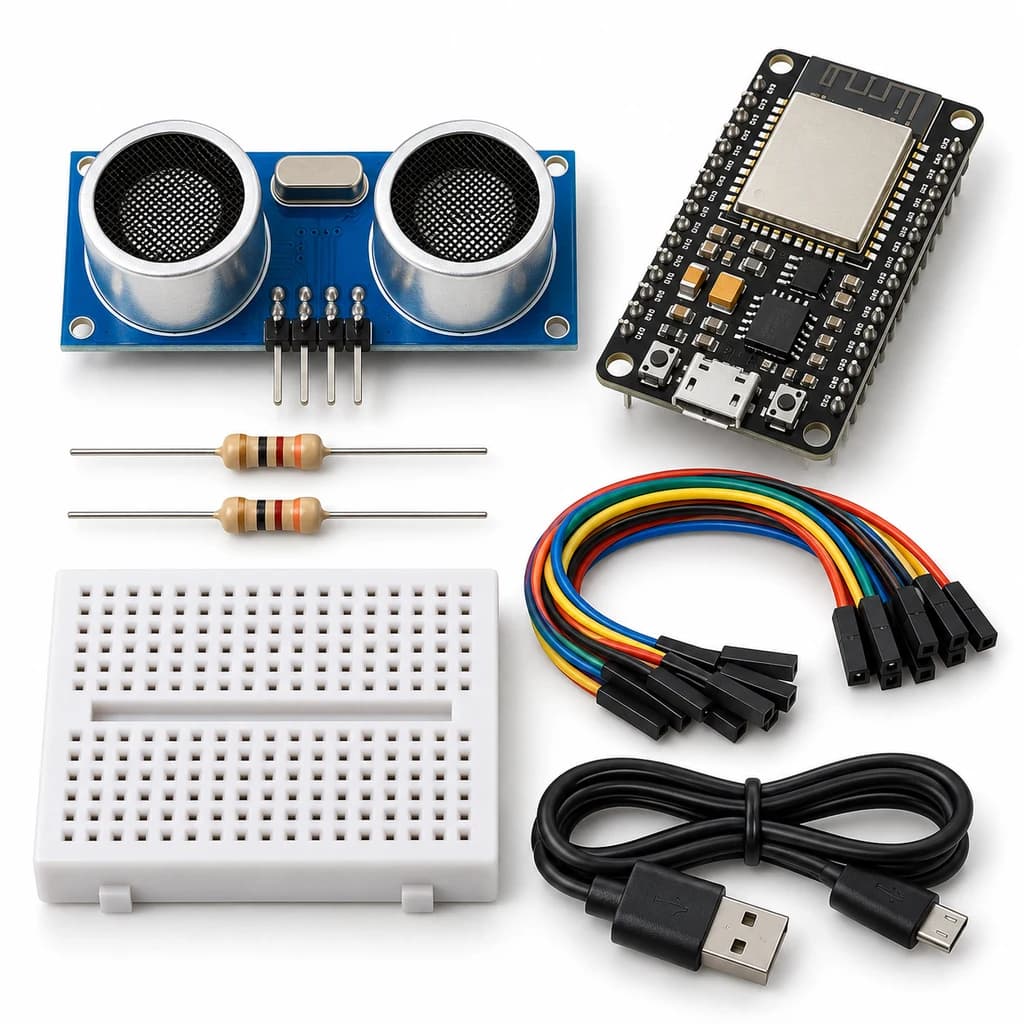
- Small Breadboard / Mini Solderless Board - 400 points — 1 breadboard
- Jumper Wire Combo - Male to Male, Male to Female and Female to Female Breadboard Connecting Wires (10 Qty Each) — 1 set
- Illustrated Activity Guide and Observation Sheets — 1 set
- Fitted Headers and Labelled Connection Leads — 1 set
- ESP32S 38Pin Development Board (WIFI+BLUETOOTH) — 1 controller board
- MICRO USB DATA CABLE — 1 data cable
- HC-SR04 Ultrasonic Distance Sensor Module — 1 sensor module
- 1K Ω 1/4 Watts (10 PCS) — 1 resistor
- 1.8 kOhm 1/4 W Through-Hole Resistor — 1 resistor
What you learn
- A distance measurement can be mapped to a relative level.
- Empty and full reference distances depend on installation geometry.
- Invalid echoes must remain invalid rather than appearing full.
Connection guide
- HC-SR04 VCC → board USB 5 V output; GND → GND; TRIG → GPIO26.
- ECHO → 1 kOhm → GPIO34 node → 1.8 kOhm → GND. The divider protects the ESP32 input from the 5 V echo.
Steps to make it
- Disconnect all power and identify the supplied part labels and pinouts before wiring.
- Build and inspect the echo divider before connecting ECHO.
- Point the dry sensor at a movable flat card; measure your empty and full reference distances with a ruler.
- Enter reference distances and local Wi-Fi settings, upload and open the printed local IP.
- Move the target between marked positions, then remove it to test the invalid-echo state.
- Change only the named parameter for the extension, repeat the controlled trials, save observations and disconnect power afterward.
Programming resources
Arduino IDE: install esp32 by Espressif Systems 3.x; select ESP32 Dev Module for the supplied classic WROOM board. Serial Monitor: 115200 baud. GPIO is 3.3 V only.
Uses the selected board core libraries.
Test challenge
Compare browser percentage at empty, halfway and full reference positions, with five trials each.
Observation task
Target distance, valid/invalid echo, relative percentage and browser result.
Expected result
The local page shows a calibrated relative level model; it is not a direct volume or waterproof installation measurement.
If it does not work
Verify the echo divider, common ground and dry flat target. HC-SR04 modules are not waterproof; keep them away from splashes.
Try next
Add sample-age and confidence fields before considering an actual tank installation.
Use and supervision
Use only the supplied low-voltage DC parts. Disconnect power before rewiring; check polarity and labelled pinouts. No soldering or exposed mains connections. Adult guidance is recommended.
How this experiment works
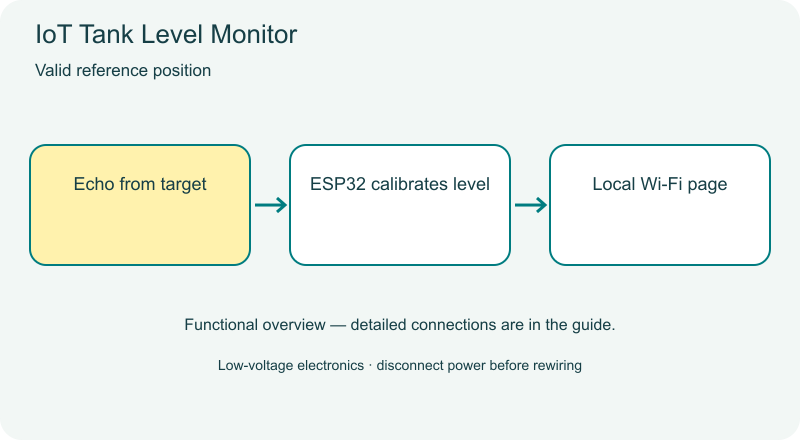
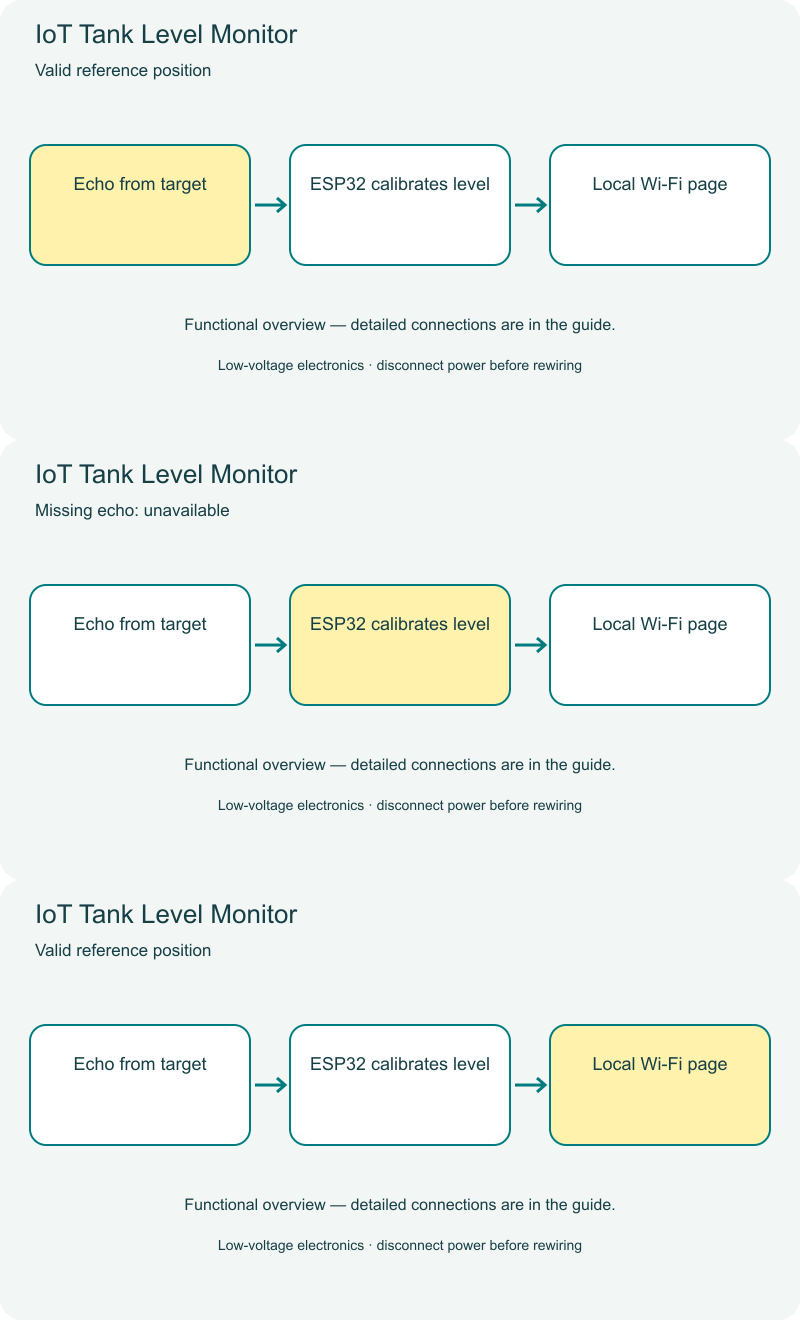
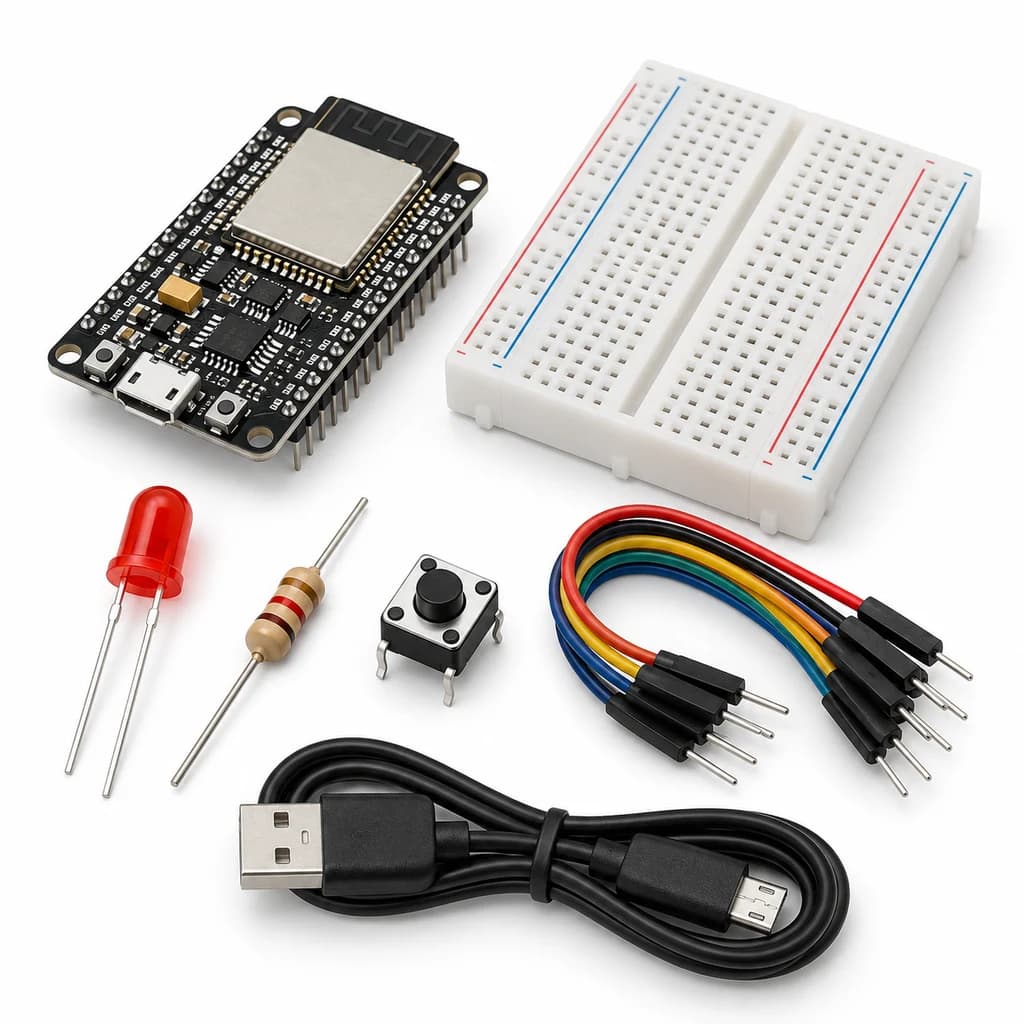
Cover illustrations show component types. Functional animations explain principles and are not recorded prototype tests. Follow the supplied connection labels and pinouts.
Customer feedback
Reviews
No published reviews yet. Be the first to share useful feedback.
Shop Related in this category
Related in this category
9 catalogue productsTechyTron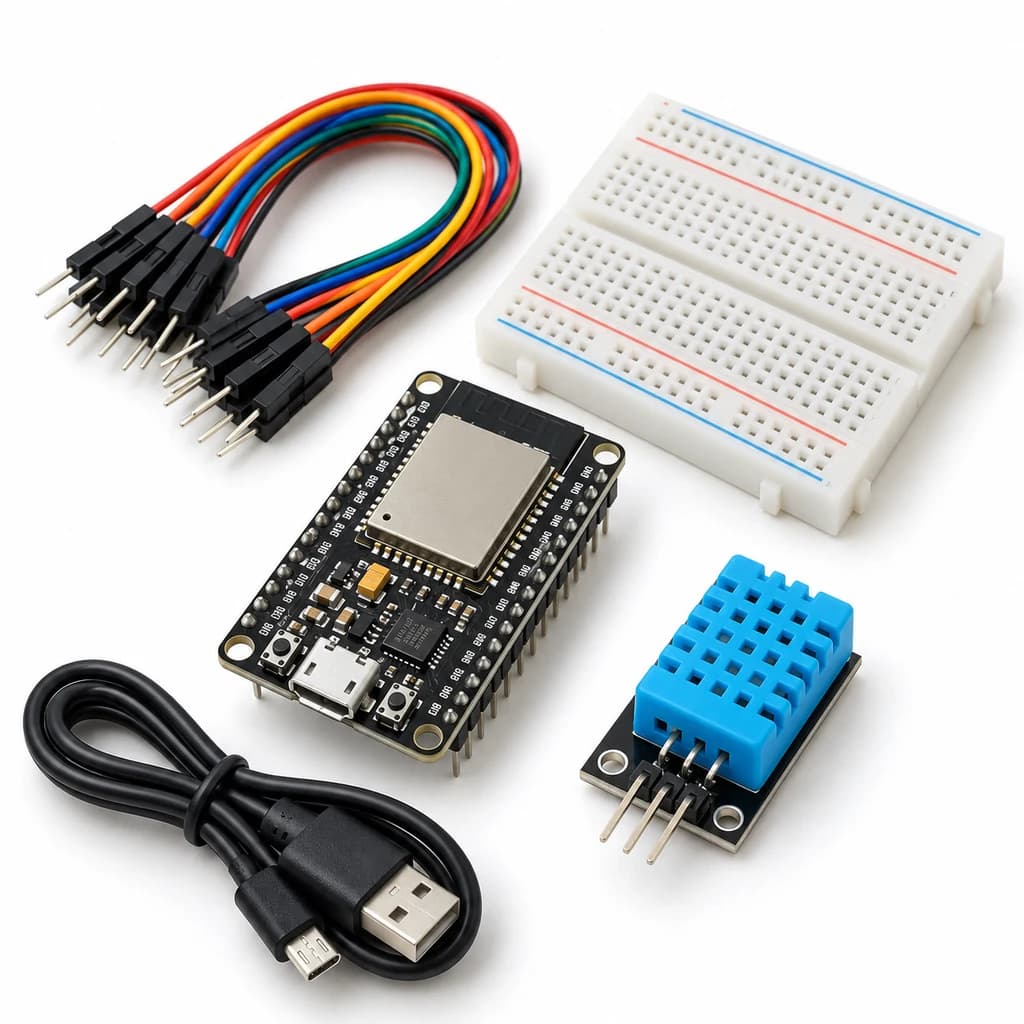 TechyTron
Local Wi-Fi Sensor Dashboard Kit
₹832.50Earn 8 points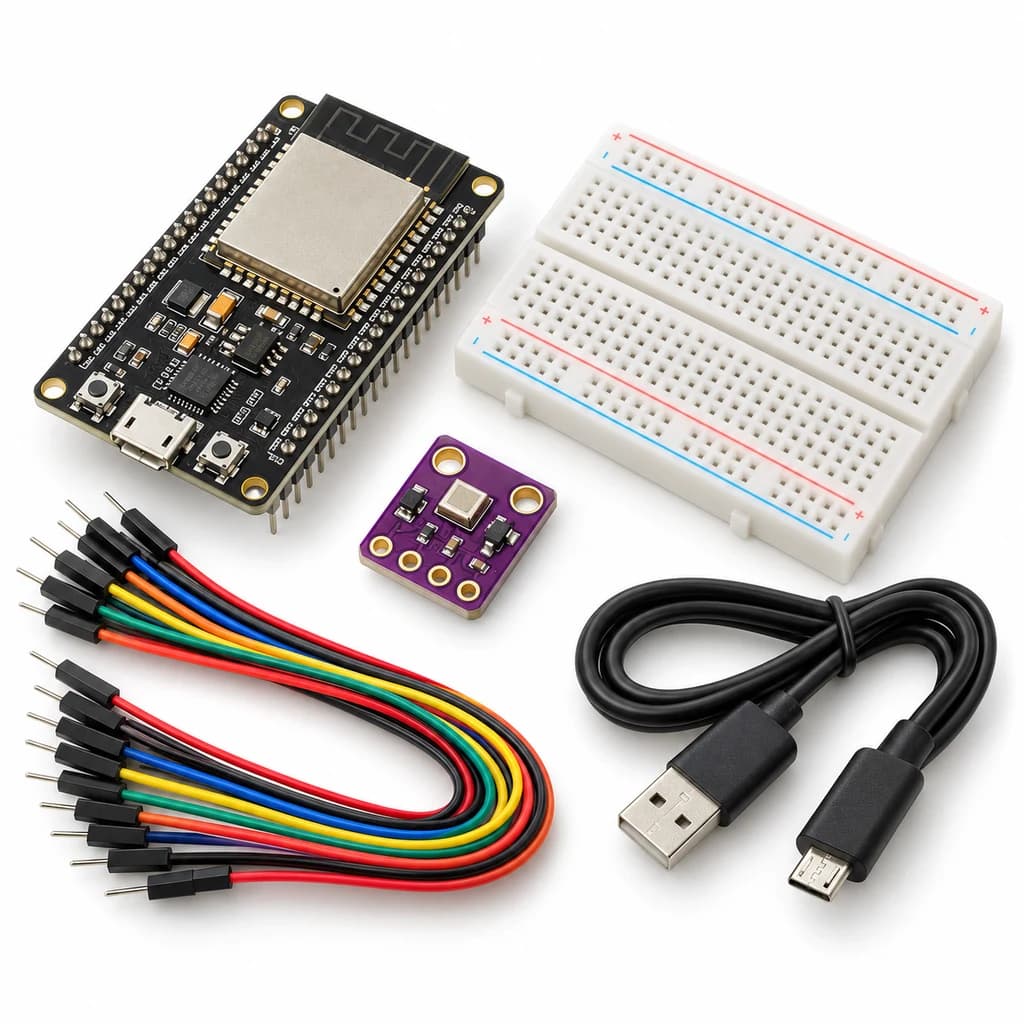 TechyTron
MQTT Environment Station Kit
₹1,055.50Earn 10 points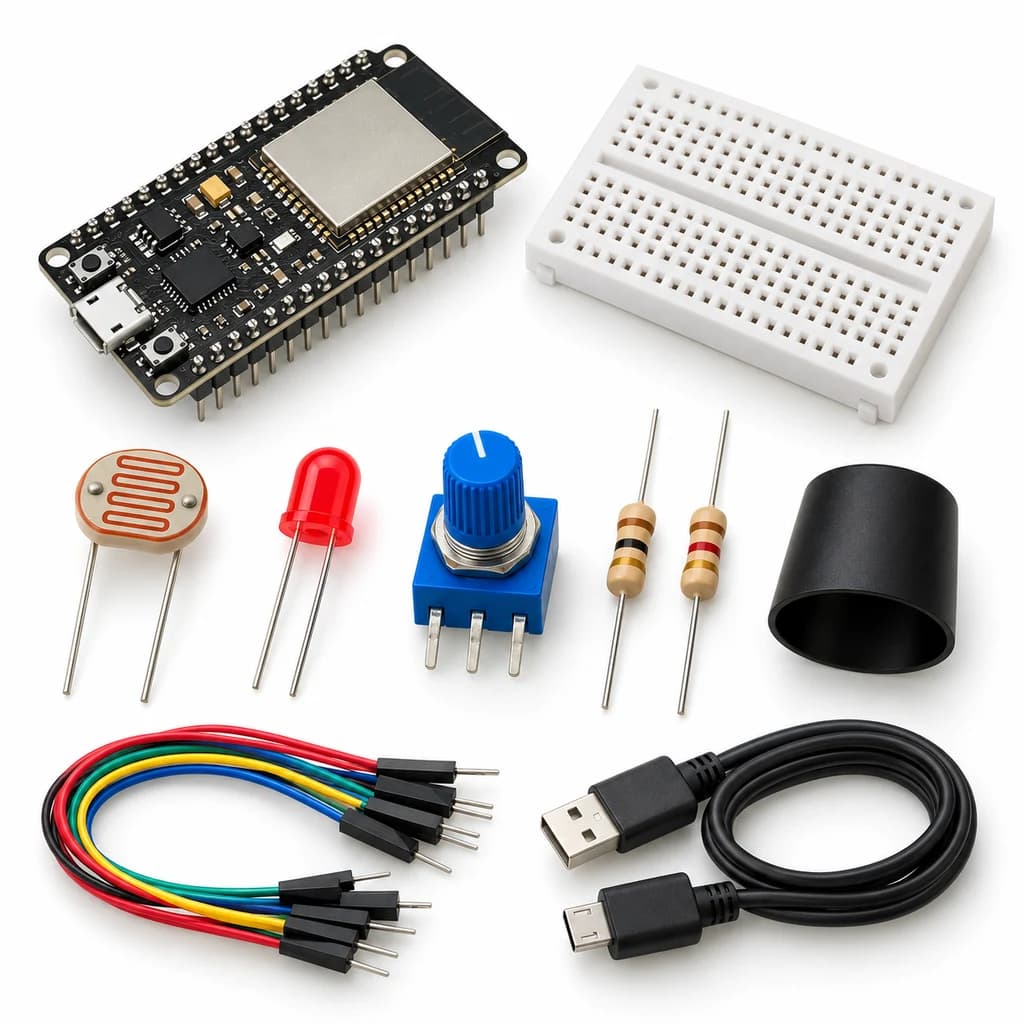 TechyTron
PID Light Control Lab Kit
₹755.50Earn 7 points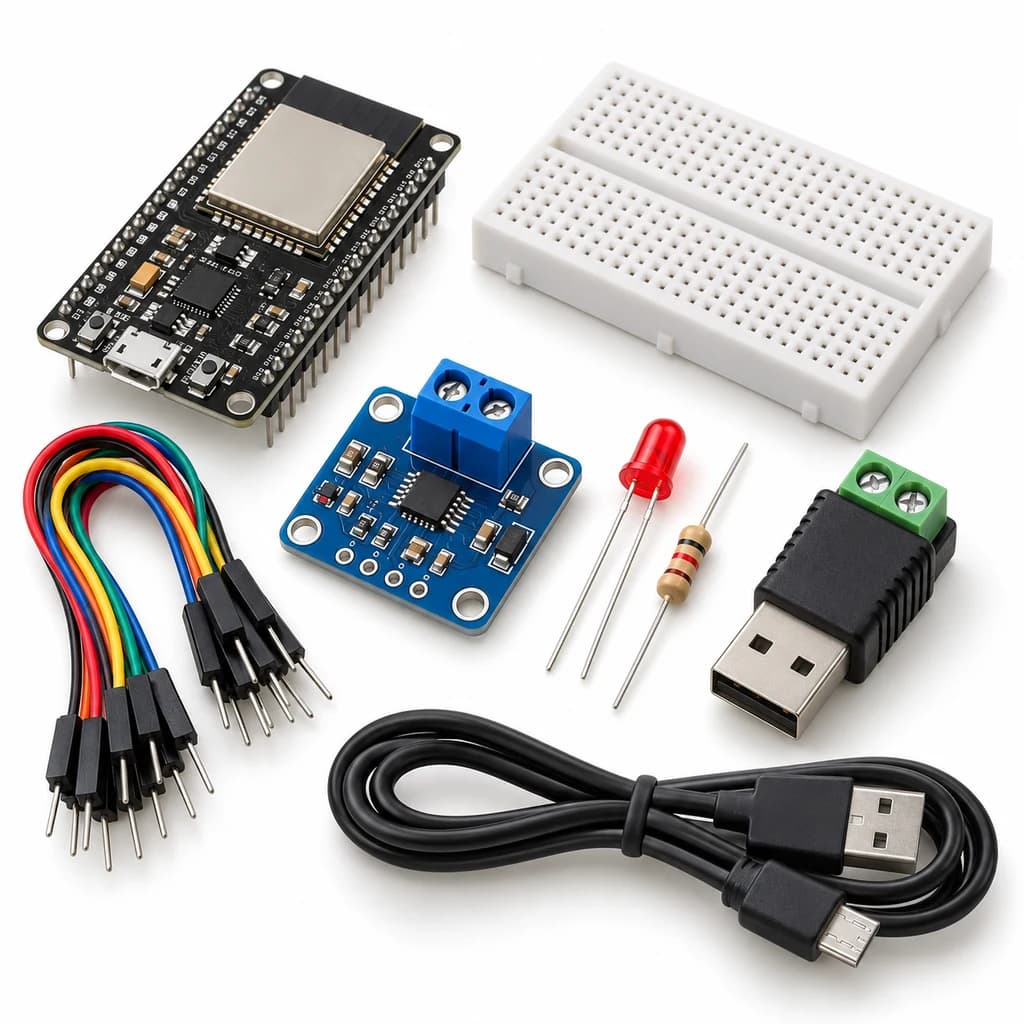 TechyTron
Power and Energy Monitor Kit
₹1,074.50Earn 10 points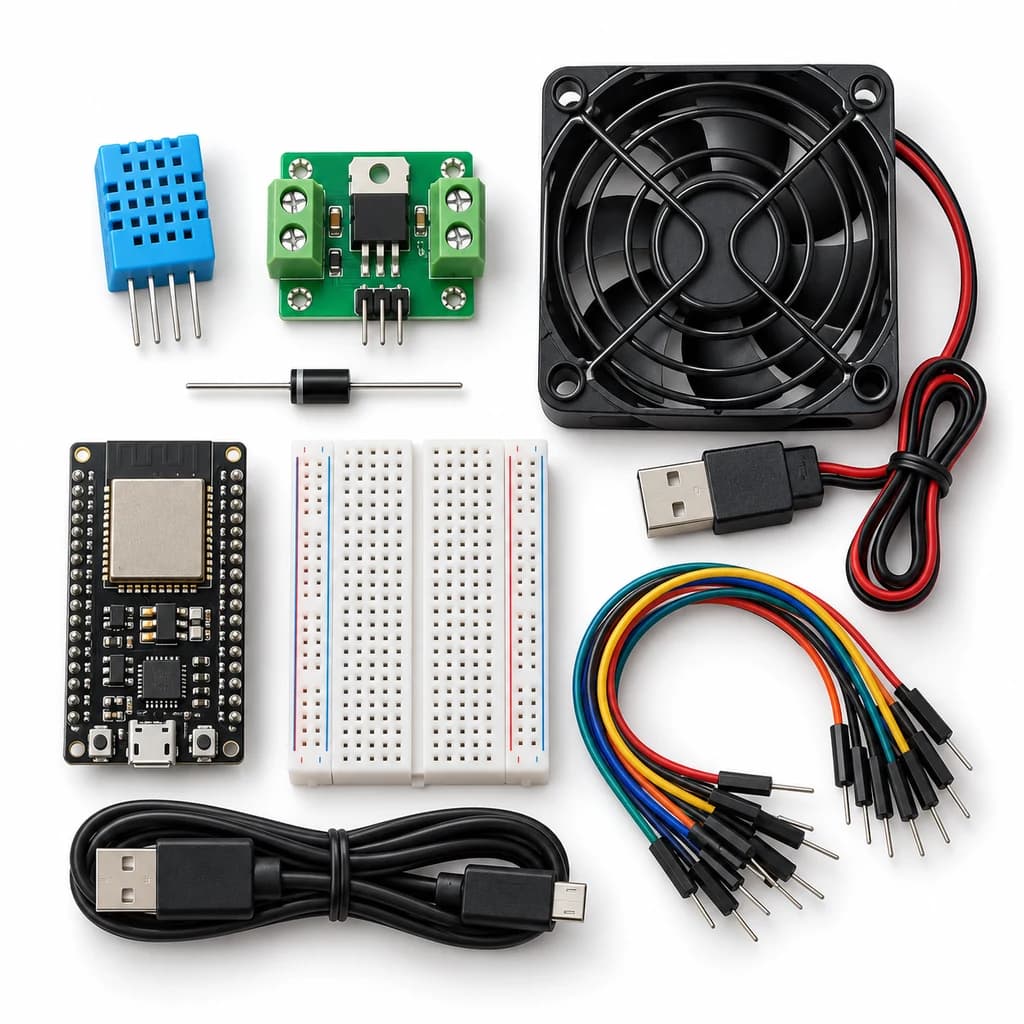 TechyTron
Room Comfort Controller Kit
₹1,253.00Earn 12 points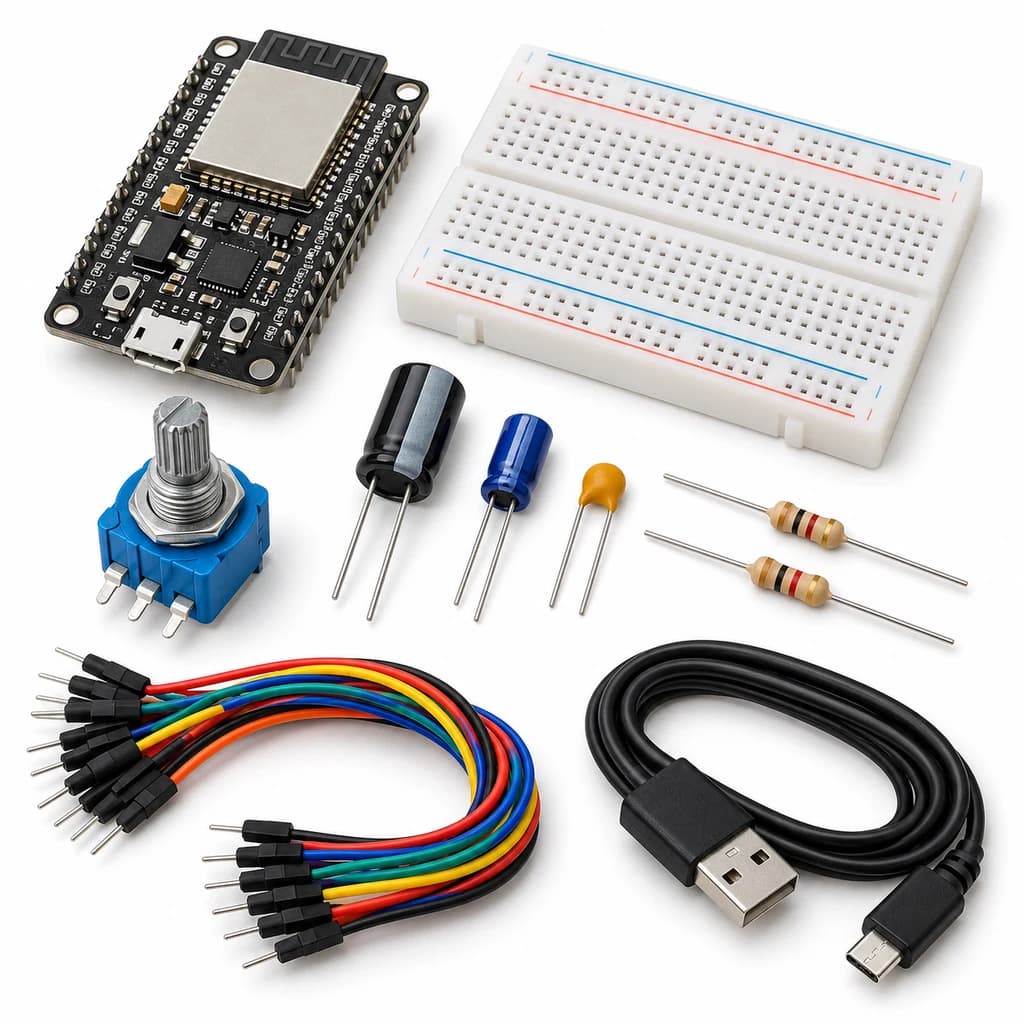 TechyTron
Signal Sampling and Filtering Kit
₹738.00Earn 7 points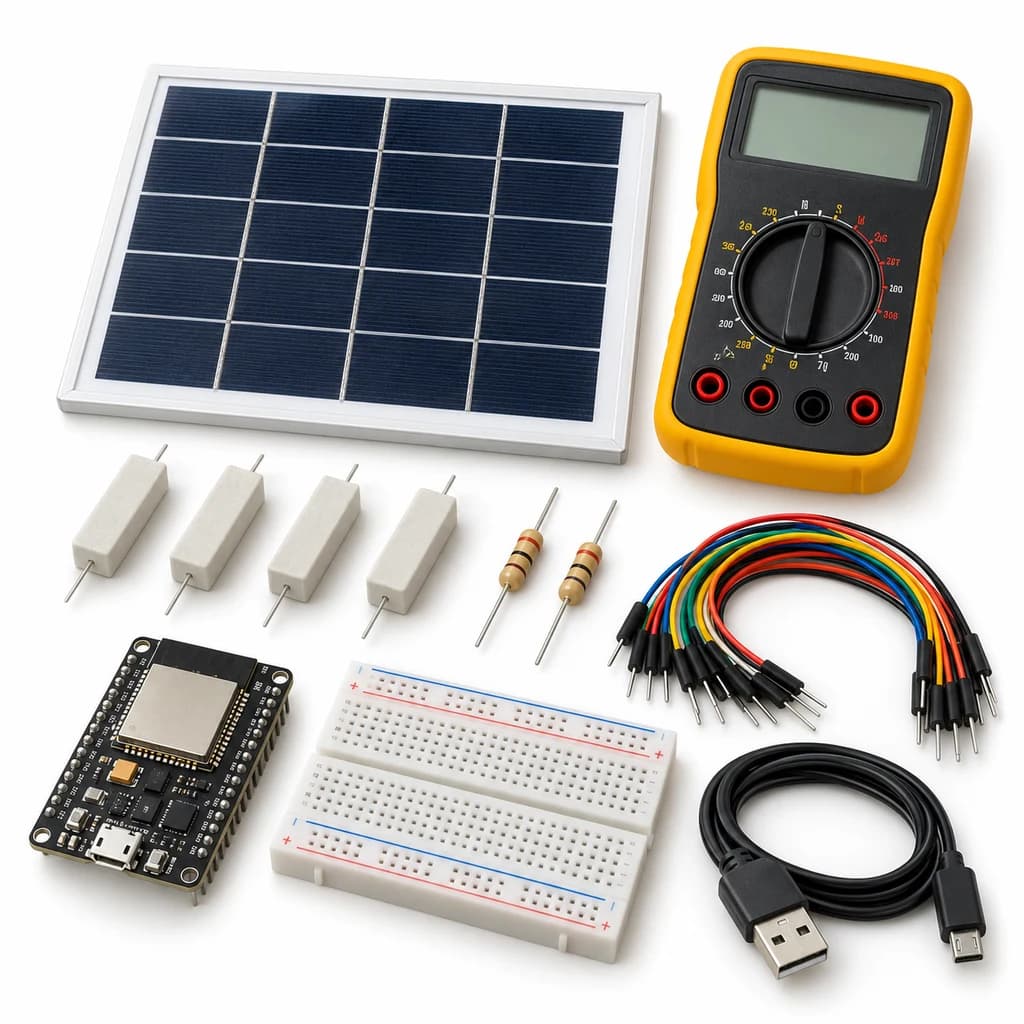 TechyTron
Solar I-V Explorer Kit
₹1,344.50Earn 13 points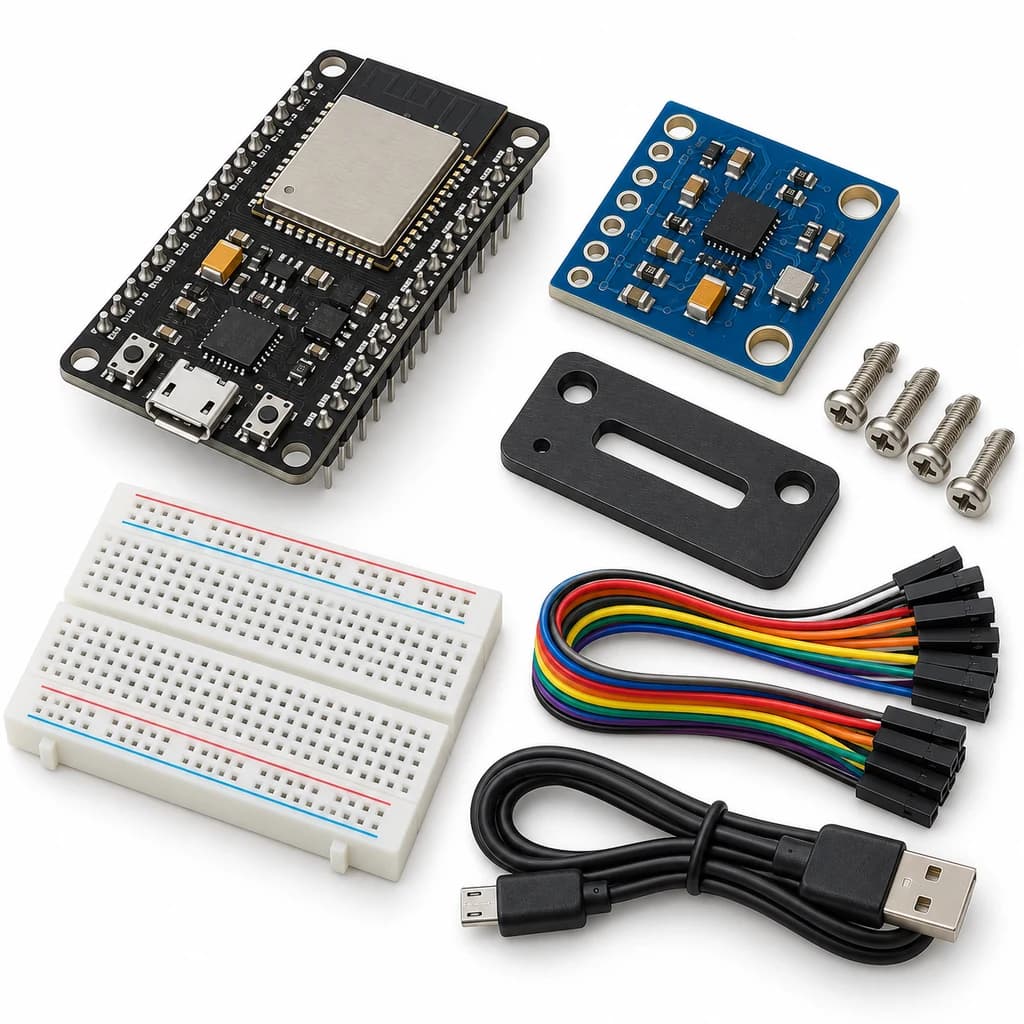 TechyTron
Vibration Spectrum Lab Kit
₹947.50Earn 9 pointsShop Related by product name
Related by product name
10 catalogue products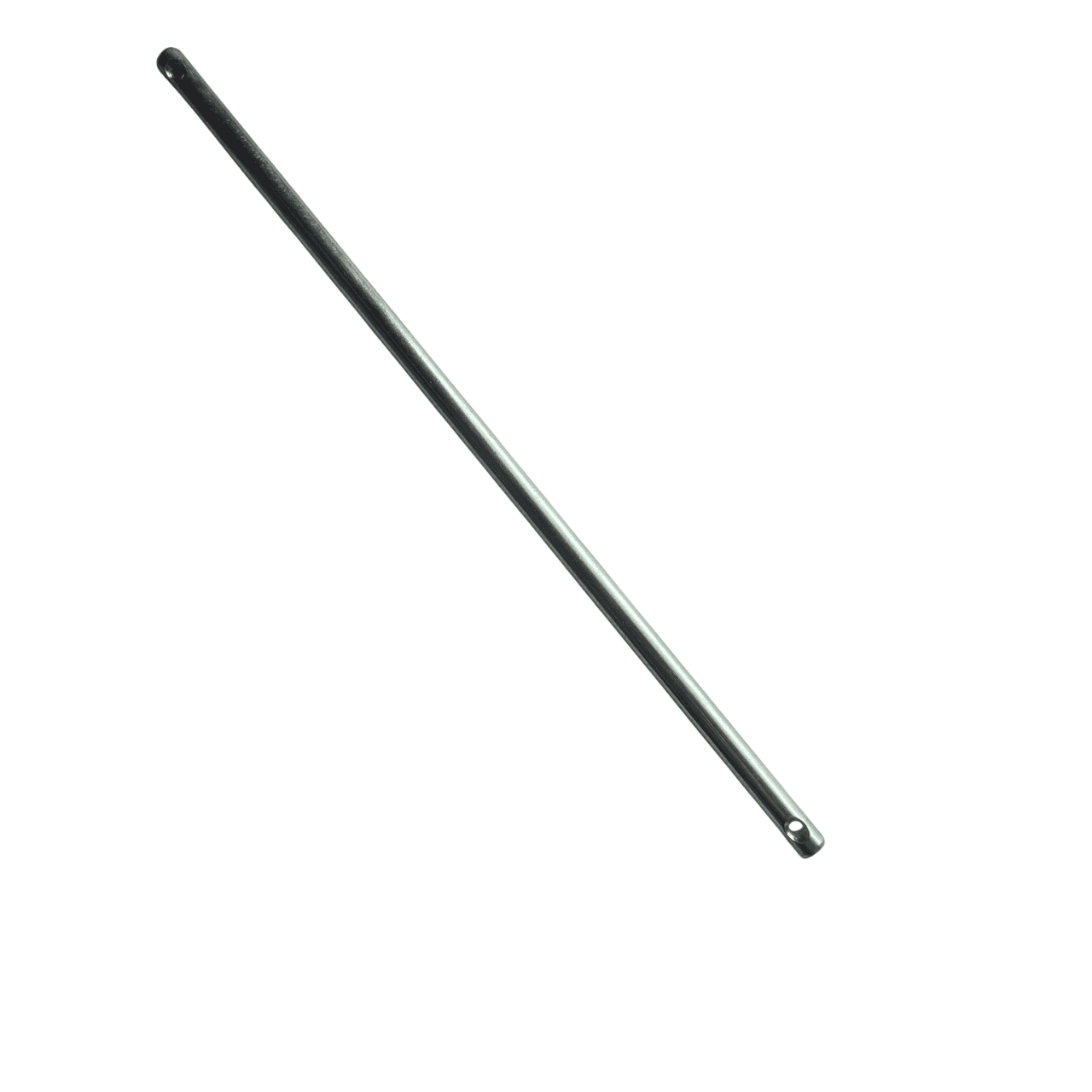 Robotic components
6mm Axle Shaft for Robot-8 Inches
₹82.50 Discrete LEDs
10 Segment LED Bar Graph - Red
₹32.00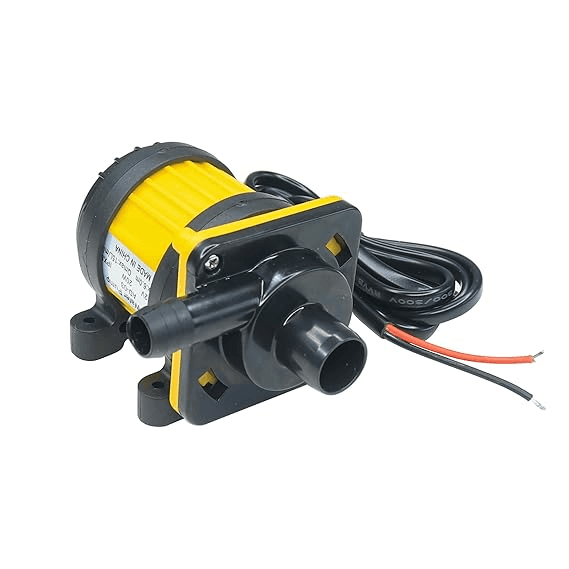 Pumps
12V 15-watt DC Submersible Under Water Pump
₹366.00Earn 3 points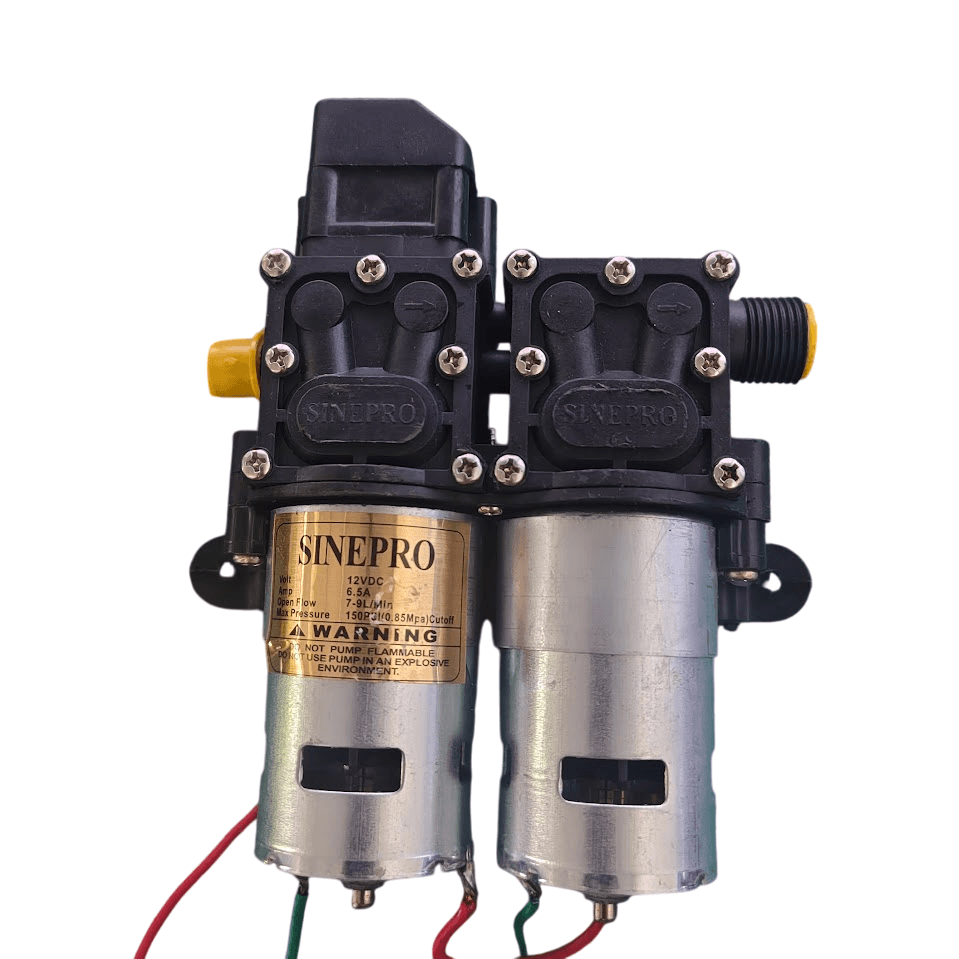 Pumps
12V DC 150PSI Sprayer Motor Micro Electric High-Pressure Booster 2in1 Dual Motor Diaphragm Water Pump (0.08 hp)
₹767.00Earn 7 points Agriculture & Water Sensors
Analog TDS Water Quality Meter V1.0 Sensor for Arduino
₹392.00Earn 3 points Agriculture & Water Sensors
Anti-Corrosion Rated Water Level Sensor with Ball Float Switch
₹121.50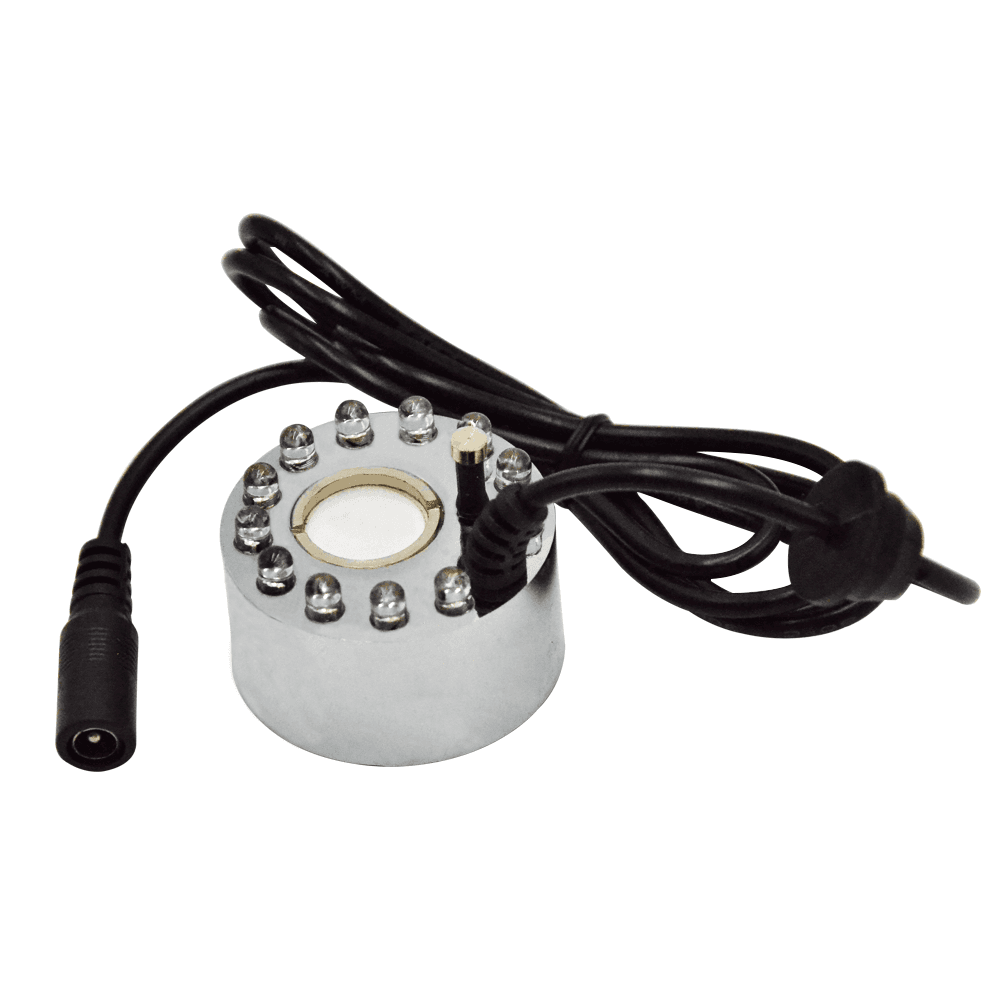 Miscellaneous
DC24V 20MM 12LED Alloy Air Humidifier Mist Maker
₹368.00 Miscellaneous
DC24V 36MM 12LED Alloy Air Humidifier Mist Maker
₹389.50 LCD Displays
Digital LCD Thermometer with Electronic Display for Environmental Temperature Measurement
₹92.00 Agriculture & Water Sensors